
Fish shooter games translate arcade-style targeting into a digital wagering format where outcomes are resolved through hit probability, target value, and weapon selection. Sea Hunter follows this established structure by placing players in an underwater environment populated with moving targets of varying durability and payout potential. Each shot represents a discrete stake decision, and returns are generated when a target is successfully defeated under the game’s capture rules.
This article explains Sea Hunter from a mechanics-focused perspective, outlining how weapons operate, how fish values are determined, how bonus entities affect results, and which structural elements shape volatility. The discussion remains informational and evergreen, emphasizing rule clarity and outcome resolution.
Sea Hunter – Core Gameplay Loop And Screen Structure
Sea Hunter is typically presented on a single shared screen where multiple fish and sea creatures move along predefined or semi-random paths. Players control a cannon positioned at the edge of the screen and fire projectiles toward selected targets. Each projectile represents a stake, and multiple shots can be fired in quick succession depending on the firing rate and selected weapon level.
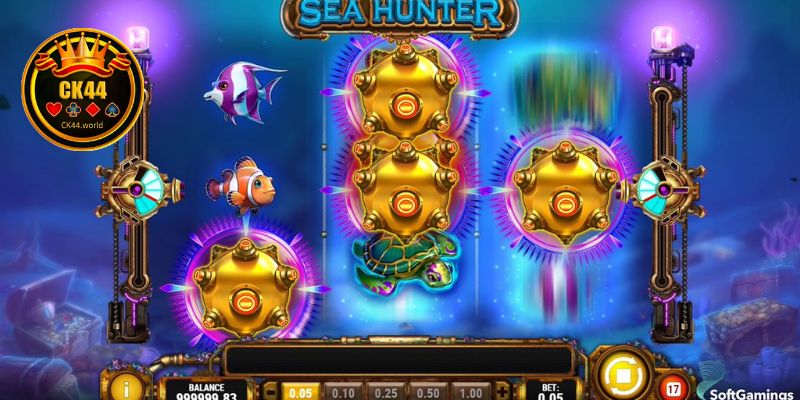
The core loop consists of selecting a target, choosing an appropriate weapon strength, firing shots, and observing whether the target is captured. When a capture occurs, the payout is calculated based on the target’s assigned value and the stake multiplier associated with the weapon used. If the target escapes or survives, the stake associated with those shots is expended without return.
Unlike reel-based slots, Sea Hunter outcomes are not resolved in a single instant. Results unfold over time as shots land and targets move, which creates a continuous decision environment rather than a spin-based rhythm.
Weapon Levels And Shot Cost Mechanics
Weapons in Sea Hunter are typically adjustable across multiple levels. Increasing the weapon level raises the cost per shot while also increasing the effective power of each projectile. Power can influence the probability of capturing higher-durability targets or shortening the time required to defeat them.
Weapon selection is a key exposure control because it directly scales stake size. A low-level weapon fires inexpensive shots suited for smaller, high-frequency targets. A high-level weapon commits more value per shot and is generally used against larger targets with higher payout multipliers. The game’s balance relies on the fact that higher-value targets are harder to capture, even with stronger weapons.
Because each shot is an independent stake event, rapid firing at high weapon levels can increase total exposure quickly. Sea Hunter therefore rewards deliberate weapon adjustment rather than fixed-level firing across all target types.
Sea Hunter – Target Hierarchy And Payout Multipliers
Sea Hunter uses a target hierarchy where each fish or creature is assigned a payout multiplier. Small fish typically carry low multipliers and low durability, meaning they are captured more frequently but yield smaller returns. Larger fish, special creatures, and boss-type entities carry higher multipliers but require more successful hits or favorable capture rolls.
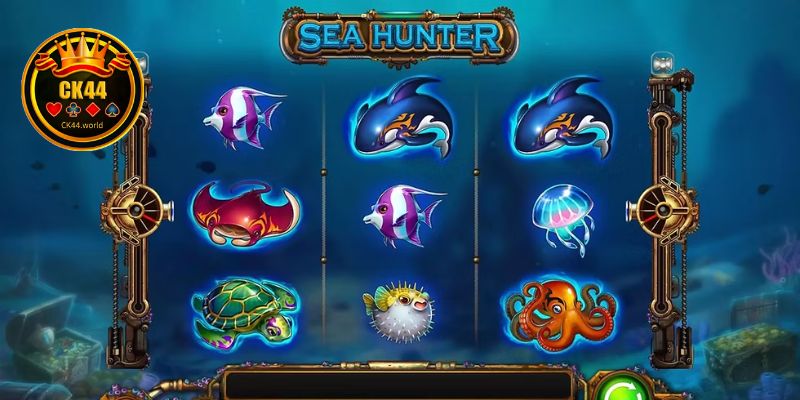
Target movement patterns also affect difficulty. Faster or erratically moving targets can be harder to hit consistently, increasing the effective cost of capture even if the listed multiplier is attractive. Slower, predictable targets may offer more consistent capture probability but often come with lower multipliers.
In practical terms, payout is usually calculated as:
- Base stake per shot: determined by weapon level.
- Target multiplier: assigned to the captured fish.
- Total payout: base stake multiplied by the target’s multiplier.
This structure means that two captures with the same target can produce different net results depending on how many shots were required to secure the capture.
Capture Probability And Outcome Resolution
Sea Hunter outcomes are governed by capture probability rather than guaranteed damage accumulation. While visual effects may suggest gradual weakening, the underlying resolution typically evaluates capture chance based on internal rules that consider weapon level, target type, and possibly randomization factors.
This design ensures that no target is guaranteed to be captured after a fixed number of hits. A high-value target can survive many shots, while a low-value target may be captured quickly. The uncertainty preserves balance and prevents deterministic farming of specific targets.
Because capture probability is opaque by design, interpretation should focus on expected behavior rather than on individual sequences. A series of unsuccessful shots does not imply that a capture is imminent, and a quick capture does not imply a favorable ongoing state. Each capture evaluation remains independent.
Special Fish And Bonus Entities
Sea Hunter commonly includes special fish or entities that introduce bonus mechanics. These can include explosive fish that damage multiple nearby targets, chain-effect creatures that trigger multiple captures, or event-based bosses that appear for limited durations.
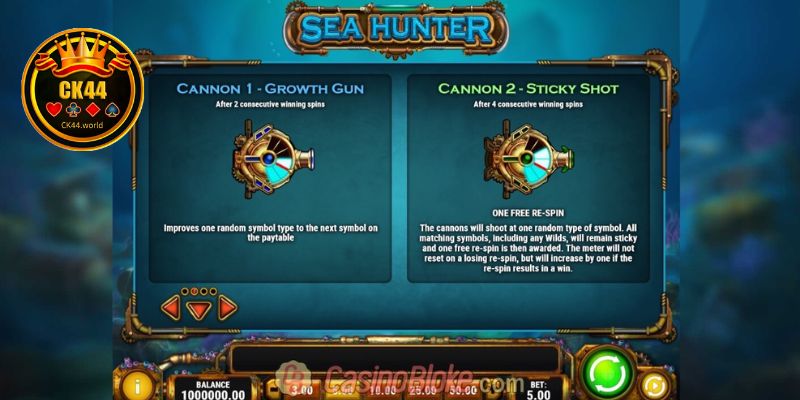
Bonus entities often have distinct visual cues and higher multipliers. However, they are also usually harder to capture and may require coordinated or sustained firing. Some bonus fish trigger screen-wide effects, such as freezing targets temporarily or increasing capture probability for a short period.
These mechanics increase variance by concentrating potential value into rare events. While a successful bonus capture can produce a large return, repeated attempts can also consume significant stake without success. Sea Hunter therefore treats bonus entities as optional high-risk opportunities rather than as core progression requirements.
Volatility Profile And Exposure Characteristics
Volatility in Sea Hunter is shaped by continuous staking and target selection rather than by discrete spin outcomes. Exposure increases with firing rate, weapon level, and focus on high-multiplier targets. Because outcomes resolve over time, short sequences can appear either highly favorable or unfavorable depending on capture timing.
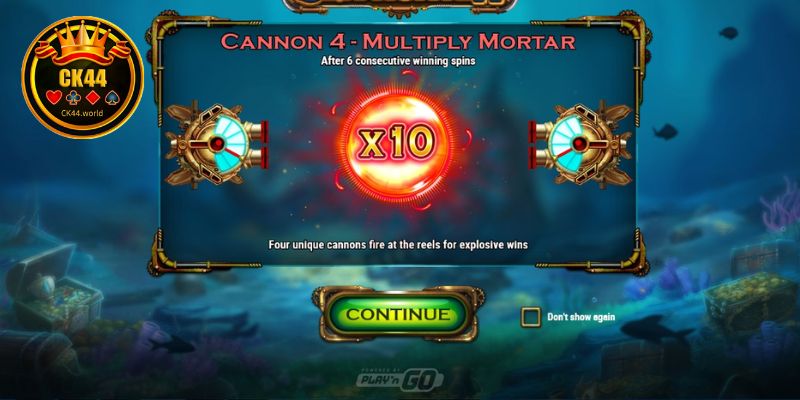
Key volatility drivers include:
- Weapon scaling: higher shot cost increases swing magnitude.
- Target choice: large targets concentrate value but reduce capture frequency.
- Bonus mechanics: rare events can dominate session results.
- Firing intensity: rapid firing increases exposure per unit time.
Sea Hunter does not guarantee balanced returns over short intervals. A session can include extended periods of small captures punctuated by a single large event, or it can include repeated failed attempts at premium targets. This behavior reflects the probabilistic design rather than any change in game state.
Interface Feedback And Result Transparency
Clear interface signals support interpretability in fish shooter games. Sea Hunter typically displays weapon level, shot cost, target multipliers, and credit balance in real time. Capture events are usually accompanied by visual confirmation and immediate credit updates.

Because multiple shots can be in flight simultaneously, transaction logs or summarized win counters are often used to track net results over time. This aggregation helps reconcile total stake versus total return across continuous play.
Reliable interpretation depends on understanding that visual hit effects do not necessarily correspond to incremental damage. Settlement is based on capture confirmation, not on perceived progress.
CK44 Context For Sea Hunter Game Presentation
On CK44, Sea Hunter is typically presented with clearly labeled weapon levels, visible target multipliers, and consistent capture feedback designed to support transparent interpretation of shot costs, bonus effects, and payout resolution during continuous gameplay.

Author: Harry Ck44